
Gold Spot Price Explained (2026): How It's Set and Why Your Price Is Different
Gold Spot Price: The Short Answer
The spot price is the current market price for one troy ounce (31.1 grams) of raw gold traded in large wholesale amounts for near-immediate delivery. It moves almost 24 hours a day on weekdays.
No single company or government sets it. It comes from trading in two linked wholesale markets: the London over-the-counter market, which produces the twice-daily LBMA Gold Price benchmark, and COMEX gold futures in New York, which drive much of the minute-to-minute movement in US quotes.
You'll never buy a coin or bar at spot. Retail prices are spot plus a premium, and dealers buy back at or below spot. Knowing spot lets you see exactly how much you're paying for the product and the dealer.
Rolling Over $50,000 or More?
Augusta Precious Metals is our #1 pick. Its published minimum is $50,000, and qualifying accounts may get custodian and storage fees covered for up to 10 years.
Get Free Gold IRA KitStarting With Less Than $50,000?
Noble Gold Investments is our pick for smaller accounts, with a reported $20,000 IRA minimum and one flat annual fee that includes segregated storage.
Get Noble Gold's Free KitOn This Page
- Gold Spot Price: The Short Answer
- What "Spot" Really Means
- Who Sets the Gold Price?
- Spot vs Futures Price
- Why You Pay More than Spot
- Why Dealers Pay Less than Spot
- What Moves the Spot Price?
- Spot Price in Grams, Kilos and Other Units
- Spot Prices for Silver, Platinum and Palladium
- Common Spot Price Myths
- How to Use the Spot Price as a Buyer
- How It Works in a Gold IRA
- Our Picks for Transparent Pricing
- Frequently Asked Questions
- Sources
What "Spot" Really Means
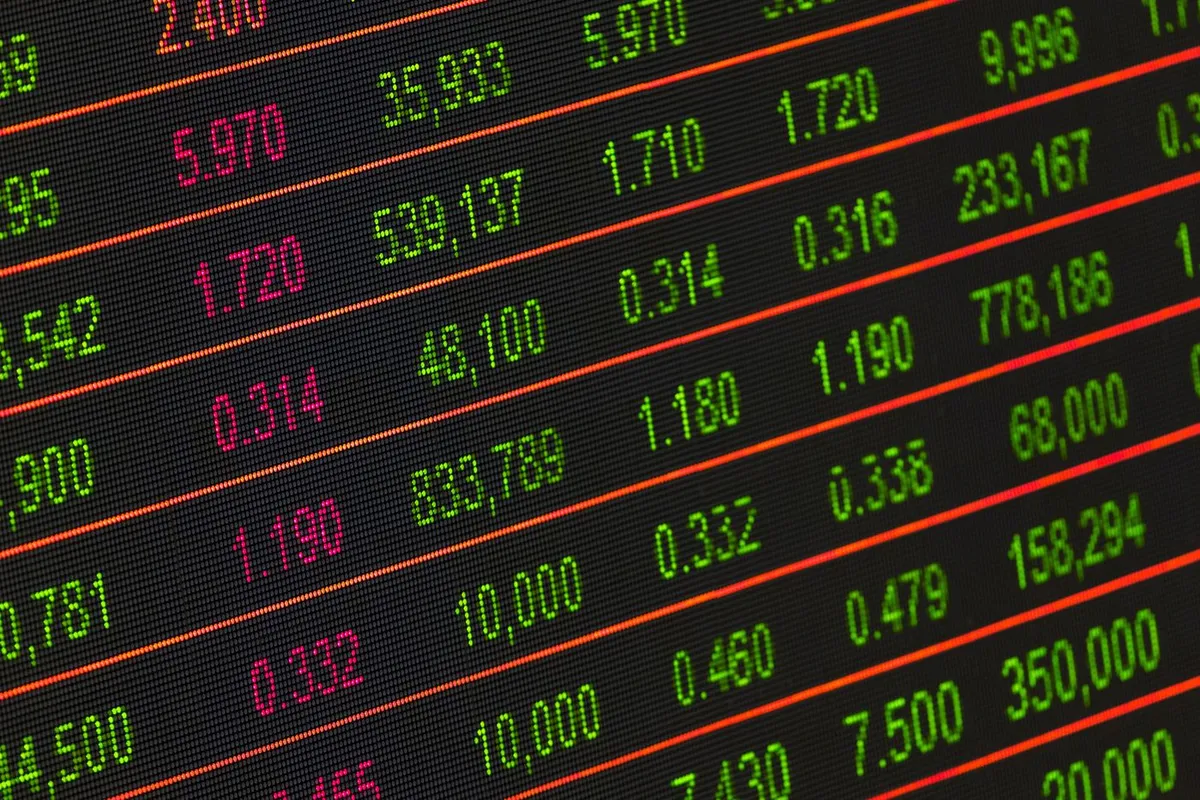
"Spot" means the price for prompt settlement, as opposed to a futures price for delivery at a later date. When a website shows a gold price ticker, it's showing a spot quote, usually in US dollars per troy ounce.
A few things to know about the number you see:
- It's wholesale. It applies to large bars traded between banks, refiners and institutions.
- It's a range. Every quote has a bid (what buyers pay) and an ask (what sellers want). The headline number is often the midpoint.
- It's in troy ounces. A troy ounce is about 10% heavier than the everyday ounce used for food.
- Different sites can differ by a few dollars, depending on whether they lean on COMEX futures or London prices and how often they update.
Who Sets the Gold Price?
The LBMA Gold Price Auction
Twice each London business day, at 10:30 a.m. and 3:00 p.m. London time, an electronic auction run by ICE Benchmark Administration produces the LBMA Gold Price. Participating banks submit buy and sell orders, and the price adjusts in rounds until supply and demand balance. This benchmark, the successor to the old "London fix," is used to settle contracts, value funds and price large physical deals.
COMEX Futures
The COMEX division of CME Group in New York runs the most active gold futures market. Futures trade nearly around the clock, and the US spot quotes on most dealer websites are derived largely from the nearest active futures contract. When futures move, spot quotes move with them.
How They Fit Together
| Market | What It Produces | When |
|---|---|---|
| London over-the-counter market | Continuous wholesale trading | Nearly 24 hours on weekdays |
| LBMA Gold Price auction | Two benchmark prices per day | 10:30 a.m. and 3:00 p.m. London |
| COMEX futures (New York) | Continuous futures prices that feed US spot quotes | Nearly 24 hours on weekdays |
Traders keep the markets in line. If futures drift too far from London prices, they buy in one and sell in the other until the gap closes.
Spot vs Futures Price
A futures contract is an agreement to buy or sell gold at a set price on a future date. Futures usually trade above spot, because holding gold until delivery costs money: storage, insurance and the interest you'd earn on the cash instead. That gap is called the cost of carry. Unusual gaps can open during stress, such as when shipping physical gold between London and New York becomes difficult.
For buyers of coins and bars, the takeaway is simple: the spot price is your reference point; the futures price is mostly for traders.
Why You Pay More than Spot
Every retail product has a premium on top of spot. It covers:
| Cost | What It Pays For |
|---|---|
| Fabrication | Refining, minting, packaging and assay cards |
| Distribution | Moving metal from mints to wholesalers to dealers |
| Dealer margin | Overhead, staff and profit |
| Payment method | Card fees are often passed on as a higher price |
| Demand | Popular coins carry higher premiums when demand spikes |
Example: in mid-November 2026, Costco's in-store price for a 1 oz PAMP gold bar was $3,979.99 when gold spot was about $3,865.60, according to an independent price tracker. That's about 3% over spot. A larger bar from the same refiner would usually carry a lower percentage premium; a 1/10 oz coin, a much higher one.
Why Dealers Pay Less than Spot
When you sell, dealers bid at or below spot for common bullion, and further below for less common products. The gap between what you paid and what you'd get back the same day is your round-trip cost. It's the real cost of owning physical gold.
| Example at $3,900 Spot | |
|---|---|
| You buy a 1 oz bar at 3% over spot | $4,017 |
| A dealer buys it back at 1% under spot | $3,861 |
| Round-trip cost | $156, or about 3.9% |
Gold has to rise by that much before you break even. In an IRA, add custodian and storage fees. Our gold IRA calculator shows the full picture over time.
What Moves the Spot Price?

- Interest rates. Gold pays no interest, so higher real (inflation-adjusted) rates make it less attractive, and lower rates more attractive.
- The US dollar. Gold is priced in dollars, so a weaker dollar tends to lift the dollar price of gold.
- Central bank buying and selling. Central banks hold gold as a reserve asset and their purchases add to demand.
- Investor flows. Buying or selling by gold ETFs and futures traders can move prices quickly.
- Fear and uncertainty. Wars, banking stress and political shocks often send investors to gold.
- Jewelry and industrial demand, especially from China and India.
These forces can reverse fast. Gold set an all-time high of $5,589.38 on January 28, 2026, then traded around $3,900 by mid-November.
Spot Price in Grams, Kilos and Other Units
Spot is quoted per troy ounce, but some products are sold by the gram or kilo. To convert:
| Unit | Troy Ounces | Value at $3,900 Spot |
|---|---|---|
| 1 gram | 0.0322 | About $125 |
| 10 grams | 0.322 | About $1,254 |
| 1 troy ounce | 1 | $3,900 |
| 100 grams | 3.215 | About $12,540 |
| 1 kilo | 32.15 | About $125,390 |
Formula: price per gram = spot ÷ 31.1035.
Spot Prices for Silver, Platinum and Palladium
The same system applies to the other precious metals. Silver, platinum and palladium each have their own spot price, futures markets and London benchmark auctions. Retail products carry premiums over each metal's spot price, and those premiums are usually higher as a percentage for silver than for gold. See gold vs silver and platinum and palladium IRAs.
Common Spot Price Myths
"A dealer selling at spot is giving you a deal." Dealers sometimes advertise "at spot" offers for a single coin to attract new customers. The profit comes from later purchases or other products. Compare total costs, not headline offers.
"The spot price is manipulated, so it doesn't matter." Benchmark-setting has faced investigations and fines in the past, which led to today's electronic auction with independent administration. Whatever you think of the system, spot is still the reference every dealer uses to price what you buy and sell.
"Collector coins don't follow spot." Their premium over gold content may move independently, but the gold inside them still rises and falls with spot. A coin sold at a large premium can lose value even when gold rises.
How to Use the Spot Price as a Buyer
- Check spot right before you call. Use a live price from a major data source or dealer.
- Ask for the premium in dollars and percent. "What's the price per coin, and what's spot right now?"
- Compare premiums, not prices. Two dealers quoting at different moments can't be compared on price alone.
- Ask for the buyback bid too. You'll know your round-trip cost before you commit.
- Get it in writing. Prices are locked at the moment you agree, usually on a recorded call.
See tips for buying gold for the full checklist.
How It Works in a Gold IRA
Gold IRA purchases are priced the same way: spot plus a premium, locked when you agree. When you sell inside the IRA, the dealer's bid is based on spot at that moment. Your custodian values the account at year-end using market prices, which sets your next required minimum distribution.
Ask About Augusta's Fee Coverage
Augusta says qualifying accounts may have custodian and storage fees paid for up to 10 years. Terms apply, so confirm them with Augusta.
Our Picks for Transparent Pricing
Augusta Precious Metals, our #1 pick, provides live pricing through its buyback desk and says it targets about a 5% spread on qualifying RMD buybacks. Augusta has a $50,000 published minimum.
Noble Gold Investments, our pick for smaller accounts, has a reported $20,000 IRA minimum and one flat annual fee. Ask either company for its premium over spot on the exact products you're considering.
Get Both Free Gold IRA Kits
Free, no-obligation information from our top two picks.
Frequently Asked Questions
What Is the Spot Price of Gold?
It's the current wholesale market price for one troy ounce of gold for near-immediate delivery, quoted continuously on weekdays.
Who Sets the Gold Spot Price?
No single body. It comes from trading in London and on COMEX in New York. The LBMA Gold Price auction sets a benchmark twice a day.
Why Can't I Buy Gold at Spot Price?
Dealers add a premium to cover minting, distribution and their margin. Some run occasional "at spot" promotions, usually limited to new customers and small amounts.
Why Is the Spot Price Different on Different Websites?
Sites use different data feeds, update at different speeds and may show the bid, ask or midpoint. Differences of a few dollars are normal.
What Is the Gold Price per Gram?
Divide the spot price per troy ounce by 31.1035. At $3,900 an ounce, that's about $125 per gram.
What's the Difference Between Spot and the LBMA Gold Price?
Spot changes continuously. The LBMA Gold Price is a benchmark set twice a day by auction and used to settle contracts and value funds.
Does the Spot Price Change on Weekends?
Major markets close from Friday evening to Sunday evening US time, so quotes are mostly frozen over the weekend.
Sources
- USAGOLD: How the gold price is set
- MetalCharts: What is spot price?
- Gainesville Coins: Who sets the price of gold?
- Costco Gold Inventory: Costco gold bar price history
- CBS News: Gold's all-time high, January 28, 2026
Get Spot-Based Pricing in Writing
Request the free information kits and compare them side by side. There is no cost or obligation.