
IRA-Approved Silver Coins (2026): Eligible Coins, Bars and the Silver That Doesn't Qualify
IRA-Approved Silver Coins: The Short Answer
An IRA can hold silver coins and bars that are .999 fine or better and held by a trustee, plus the American Silver Eagle, which the tax code names directly. Common choices include the American Silver Eagle, Canadian Silver Maple Leaf, Austrian Silver Philharmonic, British Silver Britannia (2013 and later), Australian Kookaburra and Mexican Libertad, along with .999 silver bars from accredited refiners.
What doesn't qualify: pre-1965 "junk silver," Morgan and Peace dollars, sterling silver, older Britannias struck at .958, and graded collector coins. If an IRA buys those, the cost is treated as a taxable distribution.
Rolling Over $50,000 or More?
Augusta Precious Metals is our #1 pick. Its published minimum is $50,000, and qualifying accounts may get custodian and storage fees covered for up to 10 years.
Get Free Gold IRA KitStarting With Less Than $50,000?
Noble Gold Investments is our pick for smaller accounts, with a reported $20,000 IRA minimum and one flat annual fee that includes segregated storage.
Get Noble Gold's Free KitOn This Page
- IRA-Approved Silver Coins: The Short Answer
- The Rule Behind the List
- Popular IRA-Eligible Silver Coins
- IRA-Eligible Silver Bars
- Silver That Doesn't Qualify
- Proof Silver Coins
- Silver Eagle vs Maple Leaf
- Why Premiums Matter More with Silver
- Coins vs Bars for a Silver IRA
- Fractional and Large-Format Silver
- How to Make Sure Your Silver Qualifies
- Where to Buy IRA-Eligible Silver
- Frequently Asked Questions
- Sources
The Rule Behind the List
Section 408(m) treats metals and coins as collectibles, which an IRA can't buy without the cost being treated as a distribution. The exceptions cover:
- The American Silver Eagle, described in a specific section of federal coinage law.
- Coins issued under state law.
- Silver bullion at or above the fineness a regulated futures exchange requires for delivery, held by a trustee. Dealers and custodians apply this as .999 fine.
There's no official IRS product list. Custodians decide what they'll accept, so confirm each product before you buy.
Popular IRA-Eligible Silver Coins
| Coin | Issuer | Fineness | Notes |
|---|---|---|---|
| American Silver Eagle | U.S. Mint | .999 | Named in the statute; the most widely held |
| Canadian Silver Maple Leaf | Royal Canadian Mint | .9999 | Very high purity |
| Austrian Silver Philharmonic | Austrian Mint | .999 | Widely traded in Europe and the U.S. |
| British Silver Britannia | Royal Mint | .999 (2013 onward) | Earlier years were .958 and don't qualify |
| Australian Silver Kookaburra | Perth Mint | .999 | Annual design changes |
| Mexican Silver Libertad | Mexican Mint | .999 | Lower mintages than the Eagle |
| America the Beautiful 5 oz | U.S. Mint | .999 | Large-format bullion coins |
Fractional and multi-ounce versions are usually eligible if they meet the same fineness, but check premiums: fractional silver often costs much more per ounce.
IRA-Eligible Silver Bars
Silver bars generally qualify when they're .999 fine and come from a refiner accredited by a recognized exchange or market body. Common sizes are 10 oz, 100 oz and 1 kilo. Bars usually carry lower premiums per ounce than coins, which matters with silver because premiums are a bigger share of the price.
The trade-off is flexibility. A 100 oz bar is harder to sell in part when you need a required minimum distribution.
Ask About Augusta's Fee Coverage
Augusta says qualifying accounts may have custodian and storage fees paid for up to 10 years. Terms apply, so confirm them with Augusta.
Silver That Doesn't Qualify
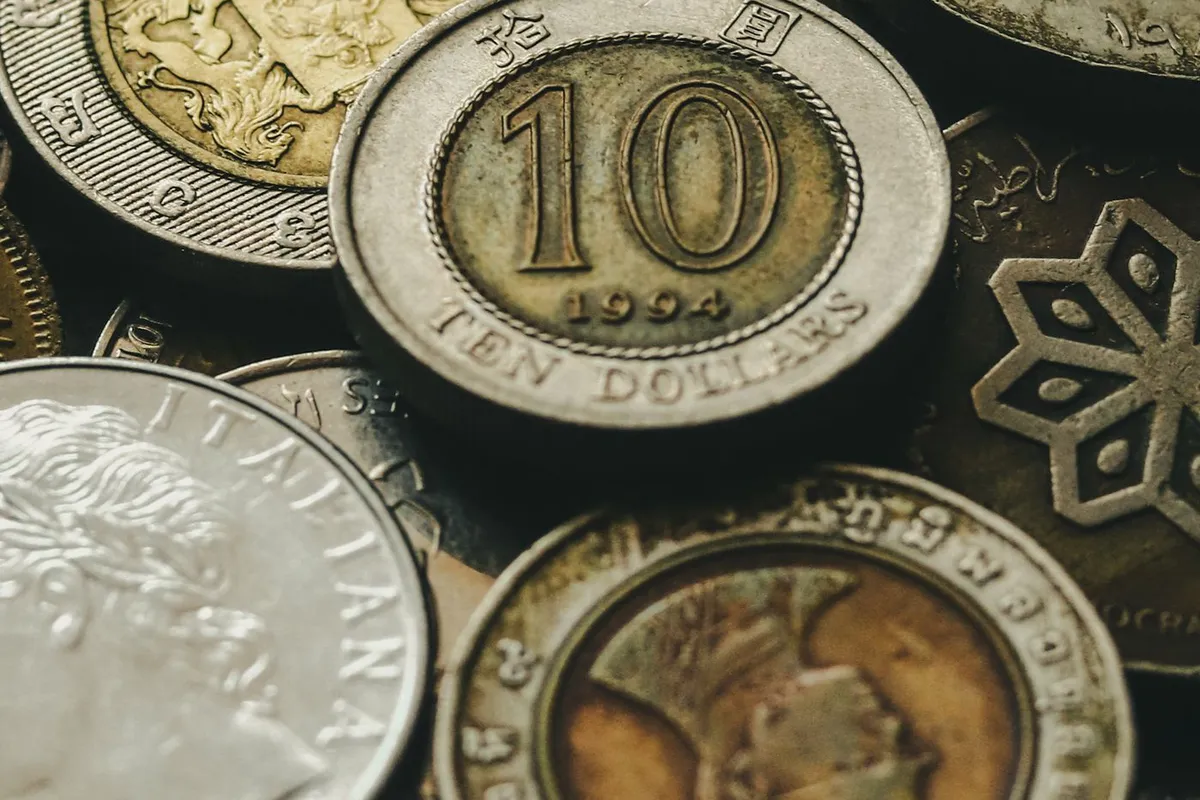
| Item | Why Not |
|---|---|
| Pre-1965 U.S. "junk silver" (dimes, quarters, halves) | 90% silver, below .999 |
| Morgan and Peace silver dollars | 90% silver and collectible |
| Pre-2013 British Britannias | .958 fine |
| Sterling silver (.925) | Below .999; often jewelry or flatware |
| Graded or "slabbed" coins | Priced as collectibles |
| Rounds from unaccredited private mints | Custodians may reject them |
Junk silver is popular for personal stacking because it's priced close to its metal value. It just can't go in an IRA.
Proof Silver Coins
Proof versions of some eligible coins, especially proof American Silver Eagles, are accepted by many custodians in original packaging. But proofs cost far more per ounce than bullion versions, and regulators have pursued dealers that sold overpriced coins to retirees. The CFTC and 30 states said Safeguard Metals took about $68 million from more than 450 mostly elderly customers by selling overpriced silver coins. If a proof is pitched as an "investment," ask for the bullion price for comparison.
Before You Trust Any Dealer, Read This
Augusta's free Buyer Beware guide covers common gold IRA dealer sales tactics and the questions that expose them.
Silver Eagle vs Maple Leaf
| American Silver Eagle | Canadian Silver Maple Leaf | |
|---|---|---|
| Issuer | U.S. Mint | Royal Canadian Mint |
| Fineness | .999 | .9999 |
| Silver content | 1 troy oz | 1 troy oz |
| IRA status | Named in the statute | Qualifies as bullion |
| Premium | Usually higher | Usually lower |
Both are excellent IRA choices. The Eagle's U.S. recognition often comes with a slightly higher premium; the Maple Leaf usually costs a little less per ounce for the same silver.
Why Premiums Matter More with Silver
Because silver costs far less per ounce than gold, the dealer's fixed costs of minting, shipping and handling are a bigger share of the price. That's why silver coin premiums are often higher as a percentage than gold's, and why bars can save money on large purchases. Always ask for the price per ounce, not just the price per coin.
Coins vs Bars for a Silver IRA
| Silver Coins | Silver Bars | |
|---|---|---|
| Premium per ounce | Higher | Lower |
| Recognizability | Very high | High from major refiners |
| Selling small amounts | Easy | Harder with large bars |
| Vault space | Similar per ounce | Similar per ounce |
| Good for | RMD flexibility, smaller balances | Lower cost on large purchases |
Fractional and Large-Format Silver
Fractional silver coins exist but carry high premiums per ounce, so they rarely make sense in an IRA. At the other end, 5 oz America the Beautiful coins and 10 oz to 1 kilo bars lower your cost per ounce but are less flexible when you need to sell a small amount for an RMD. A mix of 1 oz coins and a few larger bars often balances cost and flexibility.
How to Make Sure Your Silver Qualifies
- Get the product name, fineness and mint or refiner in writing.
- Check with your custodian before the trade, not after.
- Compare price per ounce with spot so you see the premium.
- Avoid "rare," "limited" or proof pitches unless you understand the markup.
- Ship directly to the depository. Never to your home.
Where to Buy IRA-Eligible Silver
Augusta Precious Metals (#1 for $50,000+) sells IRA-eligible silver coins and bars, publishes its fees and says it doesn't offer free silver. Noble Gold Investments (best for smaller accounts) offers silver IRAs through New Direction Trust Company with segregated storage included in its flat $275 annual fee.
Get Free Silver IRA Guides From Both
Free, no-obligation information from our top two picks.
Frequently Asked Questions
Are American Silver Eagles IRA-Approved?
Yes. The tax code names them directly, and they're .999 fine.
Is Junk Silver IRA-Eligible?
No. Pre-1965 U.S. coins are 90% silver, below the .999 standard.
Are Canadian Silver Maple Leafs IRA-Eligible?
Yes. They're .9999 fine bullion coins.
Can I Put Silver Rounds in an IRA?
Sometimes, if they're .999 fine from an accredited refiner and your custodian accepts them. Ask first.
Who Decides Which Silver Is IRA-Approved?
The tax code sets the rule, but there's no official IRS list. Your custodian decides what it will accept.
Sources
- 26 U.S. Code § 408(m) (Cornell LII)
- IRS: Retirement plan investments FAQs
- CFTC Release 8812-23: Safeguard Metals consent order
- MintBuilder: Silver IRA eligible products
- Augusta Precious Metals FAQ
- Noble Gold Investments Support
See Which Silver Our Top Pick Offers
Request the free information kits and compare them side by side. There is no cost or obligation.