
Gold Confiscation in 1933 (2026): What Happened, What Changed and What It Means for You Today
Gold Confiscation: The Short Answer
In 1933, President Franklin D. Roosevelt's Executive Order 6102 required Americans to hand in most of their gold coins, bullion and gold certificates to the Federal Reserve at $20.67 an ounce. The next year, the government raised the official price to $35. Private ownership of gold bullion stayed restricted until December 31, 1974.
It happened once, under a gold standard that no longer exists. Today the dollar isn't backed by gold, and the main law used in 1933 has since been narrowed. No one can promise it will never happen again, but the conditions that drove it are very different now. Be wary of anyone who uses the 1933 story to sell you expensive "confiscation-proof" coins.
Rolling Over $50,000 or More?
Augusta Precious Metals is our #1 pick. Its published minimum is $50,000, and qualifying accounts may get custodian and storage fees covered for up to 10 years.
Get Free Gold IRA KitStarting With Less Than $50,000?
Noble Gold Investments is our pick for smaller accounts, with a reported $20,000 IRA minimum and one flat annual fee that includes segregated storage.
Get Noble Gold's Free KitOn This Page
- Gold Confiscation: The Short Answer
- What Executive Order 6102 Did
- The Gold Reserve Act and the $35 Price
- Ownership Restored in 1974
- Could It Happen Again?
- Is Gold in an IRA Safer from Confiscation?
- The "Confiscation-Proof Coin" Sales Pitch
- The 1933 Double Eagle
- Myths About Gold Confiscation
- Practical Steps for Gold Owners
- Companies That Don't Sell Fear
- Frequently Asked Questions
- Sources
What Executive Order 6102 Did
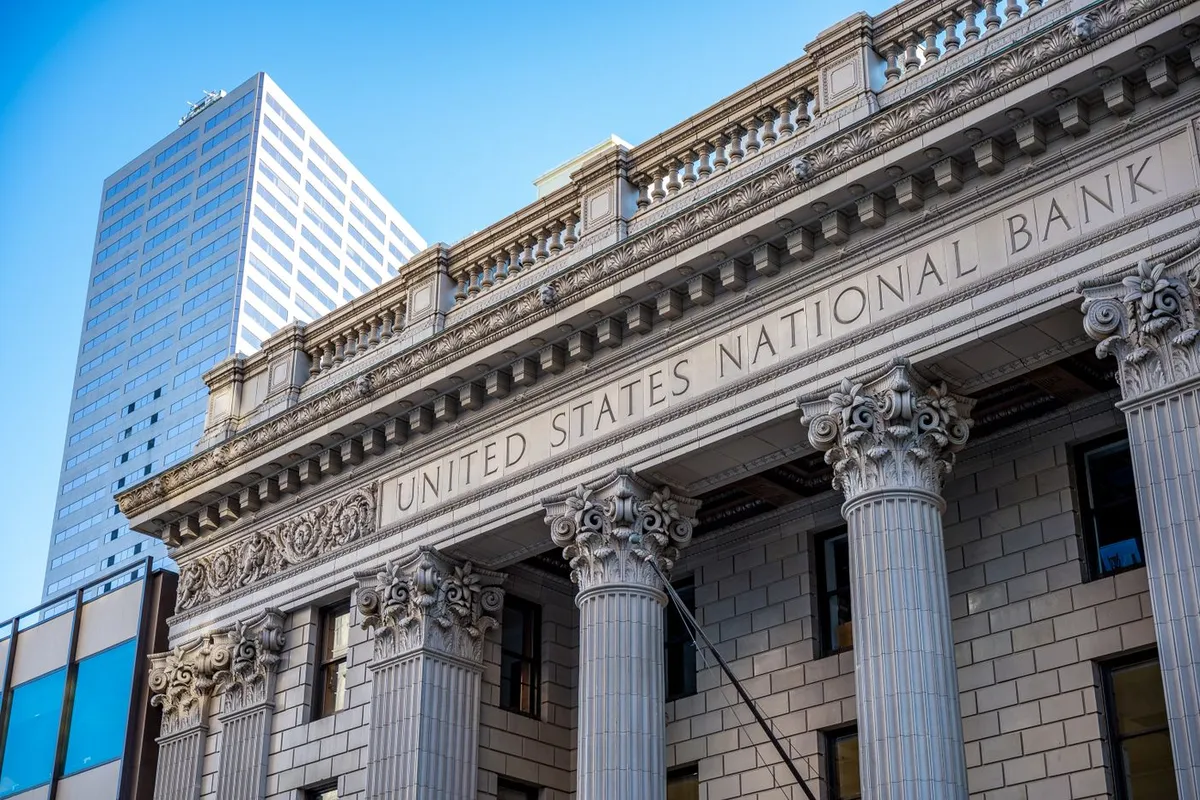
Roosevelt signed the order on April 5, 1933, a month into his presidency and in the middle of a banking crisis. It used powers from the Trading with the Enemy Act of 1917, as amended by the Emergency Banking Act passed weeks earlier.
The order required individuals, partnerships, associations and corporations to deliver most gold coin, gold bullion and gold certificates to a Federal Reserve bank by May 1, 1933, in exchange for paper currency.
What Was Exempt
- Up to $100 in gold coins per person (about five ounces at the time)
- Gold used in industry, the professions and the arts, such as dentists and jewelers
- Rare coins with recognized special value to collectors
- Gold jewelry
Why the Government Did It
Under the gold standard, every dollar was a claim on gold, so the amount of money the Federal Reserve could issue was tied to its gold reserves. People hoarding gold during bank runs drained those reserves. Pulling gold into government hands allowed the money supply to expand during the Depression.
The Gold Reserve Act and the $35 Price
On January 30, 1934, Congress passed the Gold Reserve Act, which transferred title to the Federal Reserve's gold to the US Treasury and let the president set the dollar's gold value. A proclamation the next day fixed it at $35 an ounce.
| Date | Event | Gold Price |
|---|---|---|
| April 5, 1933 | Executive Order 6102 signed | $20.67 official |
| May 1, 1933 | Deadline to hand in gold | $20.67 |
| January 30, 1934 | Gold Reserve Act passed | — |
| January 31, 1934 | Official price raised | $35 |
| August 15, 1971 | Dollar's convertibility to gold ended for foreign governments | $35 official |
| December 31, 1974 | Private gold ownership fully legal again | Market price |
People who handed in gold at $20.67 saw the official price rise about 69% within a year. That's the part of the story that still makes gold owners uneasy.
Ownership Restored in 1974
In August 1974, President Gerald Ford signed legislation that ended the restrictions on private gold ownership, effective December 31, 1974. Ford's Executive Order 11825 formally revoked the earlier executive orders on gold. Americans have been free to buy, hold and sell gold bullion since.
Could It Happen Again?
What's Different Now
| Then (1933) | Now |
|---|---|
| The dollar was backed by gold | The dollar has no gold backing |
| The Fed's money supply was limited by its gold | The Fed creates money without gold |
| Gold coins circulated as money | Gold is an investment and reserve asset |
| The Trading with the Enemy Act allowed peacetime emergency use | Congress limited it to wartime in 1977 and created a separate law for foreign-related emergencies |
The 1933 order solved a gold-standard problem. Without a gold standard, the government has much less reason to want private gold. Industry analyses of the question generally see tighter reporting or taxation as more plausible than seizure.
What Remains Possible
Laws can change, especially in a crisis. Congress could pass new legislation, and emergency powers are broad. Nobody can guarantee what a future government would do, and you should be skeptical of anyone who claims they can.
Is Gold in an IRA Safer from Confiscation?
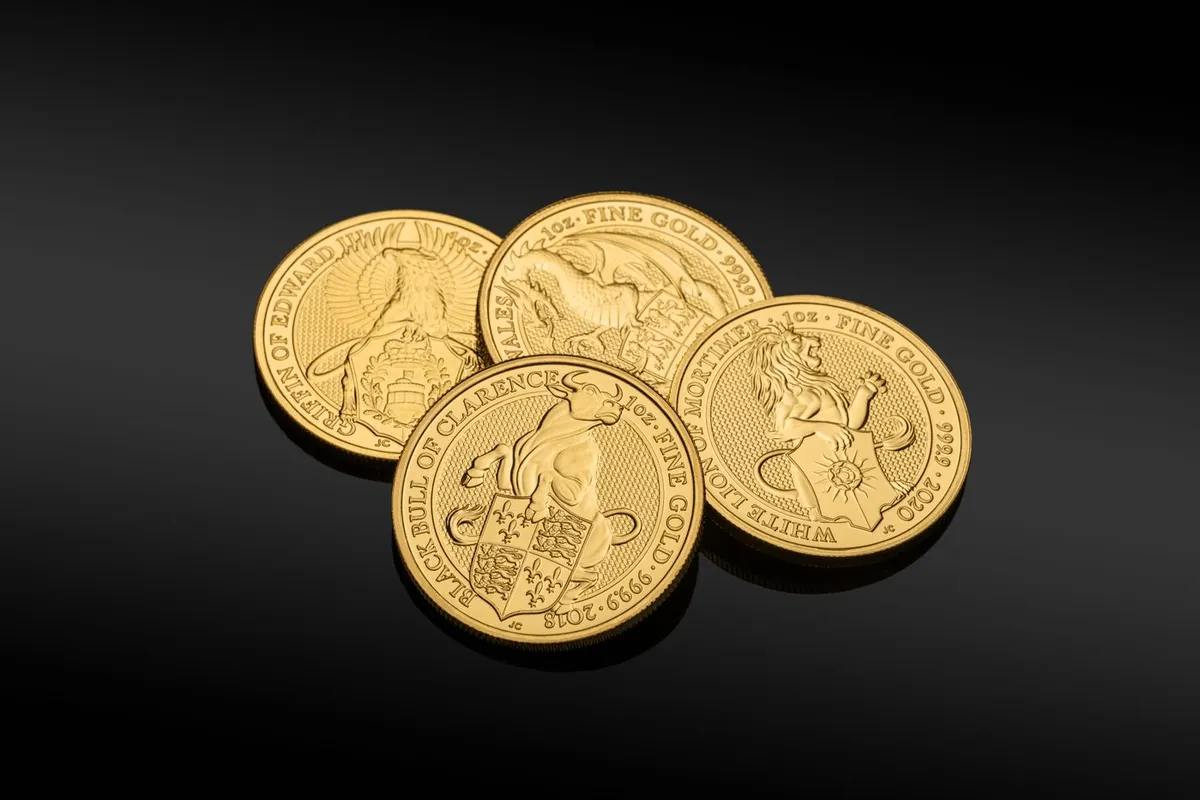
There's no special legal protection for IRA gold. It's held in your name, by a trust company or custodian, in an approved depository. That gives you a clear legal record of ownership, insured storage and audit trails. It doesn't make the gold immune from any future law.
Home storage doesn't solve it either. Holding IRA gold at home is how people end up owing tax and penalties. In McNulty v. Commissioner (2021), the Tax Court treated coins an IRA owner kept at home as taxable distributions. See gold IRA home storage.
The "Confiscation-Proof Coin" Sales Pitch
Some sellers use 1933 to push pre-1933 or "numismatic" coins, claiming they would be exempt from any future seizure because rare coins were exempt in 1933. Be careful:
- The 1933 exemption was for coins of recognized special value to collectors, a term that was never clearly defined.
- There's no reason a future order would copy the 1933 exemptions.
- These coins often carry very high markups over their gold content and can be hard to sell back at a fair price.
Regulators have repeatedly acted against dealers who used fear to sell high-markup coins. See our gold IRA scams guide and bullion vs numismatic coins.
Before You Trust Any Dealer, Read This
Augusta's free Buyer Beware guide covers common gold IRA dealer sales tactics and the questions that expose them.
The 1933 Double Eagle
One lasting effect of the order was on coins. Executive Order 6102 led the US to stop striking gold coins for circulation, and almost all of the 1933 Saint-Gaudens Double Eagles that had been minted were melted before release. That's why the few that survived are among the rarest and most valuable coins in the world. It's a reminder that collector value comes from rarity and history, not just gold content.
Myths About Gold Confiscation
"The government took everyone's gold by force." The order required people to hand gold in for paper money at the official price. Enforcement relied heavily on banks and on people complying, though some individuals and companies were prosecuted.
"IRA gold is stored in a government vault." IRA metal is held by private, approved depositories on behalf of your custodian, not by the government.
"Gold coins from before 1933 are legally protected." There's no current law giving older coins special protection from any future order.
"It can't happen again." No one can promise that. The point is that the reasons it happened in 1933 no longer apply in the same way.
Practical Steps for Gold Owners
- Buy for sound reasons, such as diversification, not fear of seizure.
- Favor low-premium bullion you can value and sell easily.
- Keep records of what you own and what you paid, for tax and estate purposes.
- Spread storage if you hold a lot: some in an IRA depository, some in a private vault or at home.
- Keep gold to a sensible share of savings. See how much gold should I own.
Companies That Don't Sell Fear
Our top picks focus on education rather than scare tactics.
Augusta Precious Metals, our #1 pick, publishes a free guide on the tactics bad dealers use and has a $50,000 published minimum. Augusta says qualifying accounts may have custodian and storage fees covered for up to 10 years.
Noble Gold Investments, our pick for smaller accounts, has a reported $20,000 IRA minimum and one flat annual fee.
Get the Free Buyer Beware Guide
Free, no-obligation information from our top two picks.
Frequently Asked Questions
Did the US Government Confiscate Gold?
Yes. Executive Order 6102 in 1933 required Americans to hand in most gold coins, bullion and gold certificates at $20.67 an ounce, with limited exemptions.
When Did It Become Legal to Own Gold Again?
Private ownership of gold bullion became fully legal again on December 31, 1974.
Could the Government Confiscate Gold Today?
It's unlikely under current conditions, because the dollar is no longer tied to gold, but no law prevents Congress from acting in a future crisis.
Are Pre-1933 Gold Coins Safe from Confiscation?
There's no guarantee. The 1933 exemption for collector coins was vague and may not be repeated. These coins often carry much higher markups than bullion.
Is Gold in an IRA Protected from Confiscation?
No special protection exists. IRA gold is held by a custodian in an approved depository with clear ownership records, but it's still subject to future law like any other asset.
Sources
- Wikipedia: Executive Order 6102
- USAGOLD: Can the government confiscate gold?
- US Gold Bureau: Government confiscation of gold, the facts
- JM Bullion: Executive Order 6102
- Wikipedia: International Emergency Economic Powers Act
- Bullion Exchanges: Gold confiscation 1933
- McNulty v. Commissioner, 157 T.C. No. 10 (KPMG copy of opinion, PDF)
Choose a Company That Doesn't Sell Fear
Request the free information kits and compare them side by side. There is no cost or obligation.